
The psychology behind risk-taking in gambling behavior
Understanding Risk-Taking Behavior
Risk-taking is an inherent part of human psychology, often driven by a complex interplay of emotions, cognitive processes, and social influences. In the context of gambling, individuals may be motivated by the thrill of uncertainty, where the potential for both significant rewards and losses creates a unique psychological experience. This emotional rollercoaster can activate the brain’s reward system, leading to feelings of excitement and pleasure, which can make the act of gambling particularly alluring. For those interested, Winmate88 offers a variety of experiences to explore this excitement.
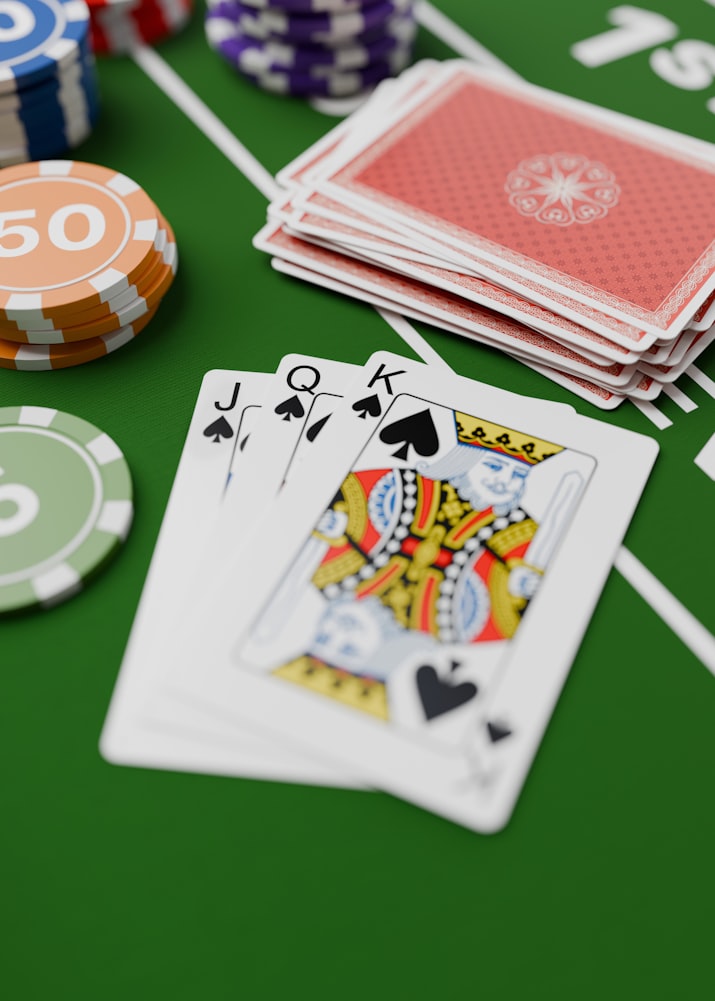
Moreover, many gamblers exhibit a phenomenon known as ‘loss aversion,’ which refers to the tendency to prefer avoiding losses rather than acquiring equivalent gains. This can result in a situation where players continue to gamble in hopes of recouping previous losses, demonstrating how cognitive biases can lead to irrational decision-making. By understanding these psychological factors, we can gain insights into why some individuals find it difficult to walk away from the gambling table.
Additionally, the social environment surrounding gambling plays a crucial role in shaping an individual’s risk-taking behavior. Whether in a vibrant casino or an online platform, the presence of other players can amplify the excitement and risk perception. People often feel more emboldened in groups, leading to increased betting and potentially reckless behavior. This social influence is a powerful motivator that can intensify the gambling experience, encouraging individuals to take risks they might not consider in isolation.
The Role of Cognitive Biases in Gambling
Cognitive biases significantly influence how individuals approach gambling and their willingness to take risks. One of the most prevalent biases is the ‘gambler’s fallacy,’ which is the belief that past events can influence future outcomes in games of chance. For instance, if a player observes that a certain number has not appeared for several rounds, they may mistakenly believe that it is ‘due’ to come up, prompting them to increase their bets. This fallacy can lead to misguided strategies and ultimately to increased financial losses.
Another cognitive bias related to gambling is ‘confirmation bias,’ where individuals tend to focus on information that supports their preconceived notions while ignoring contrary evidence. This can manifest in gamblers who remember their wins vividly but dismiss their losses, further fueling their desire to gamble. Such biases create a distorted perception of reality, often resulting in continued engagement in risky behaviors despite mounting evidence of potential losses.
The impact of these cognitive biases extends beyond individual behavior; they can influence overall gambling culture and industry practices. For example, casinos often design games and experiences that exploit these biases, enhancing the allure of risk-taking through strategically placed lights, sounds, and rewards. Understanding the psychological underpinnings of these biases not only sheds light on gambler behavior but also encourages responsible gambling practices.
The Emotional Appeal of Gambling
The emotional landscape of gambling is profoundly complex, as it encompasses both positive and negative feelings. Many individuals are drawn to gambling for the thrill and excitement that comes with risk-taking, often experiencing heightened emotions such as joy, anxiety, and even euphoria. The anticipation of a potential win can release dopamine, a neurotransmitter associated with pleasure and reward, reinforcing the desire to take risks. This emotional high can create a cycle where players repeatedly seek the adrenaline rush, often disregarding the associated risks.
Conversely, gambling can also lead to negative emotions, such as despair and frustration, especially in the face of repeated losses. This emotional volatility can drive individuals to gamble more in an attempt to escape feelings of sadness or inadequacy. This tendency to gamble as a form of emotional regulation highlights the psychological complexity of risk-taking behavior, where the lines between pleasure and pain often blur.
Additionally, the narrative of winning big can become a powerful motivating force. Stories of significant wins circulate widely, fostering a belief that anyone can achieve similar success. This narrative can cloud judgment and lead to an overestimation of one’s abilities or luck. For many, the allure of potentially transforming their lives through a single gamble can overshadow the reality of the risks involved, leading to compulsive gambling behaviors.
Societal Influences on Gambling Behavior
The societal context in which individuals engage in gambling plays a significant role in shaping risk-taking behaviors. Cultural attitudes toward gambling can either normalize or stigmatize the activity, influencing how individuals perceive their own behaviors. In societies where gambling is celebrated as a form of entertainment, individuals may be more inclined to participate in risky betting behaviors without considering the potential consequences.
Furthermore, advertising and marketing strategies employed by the gambling industry can exacerbate the allure of risk-taking. Promotional campaigns often focus on the excitement and potential rewards associated with gambling, creating an environment where risk is romanticized. This portrayal can diminish the perception of gambling as a high-risk activity, leading many to underestimate the dangers associated with excessive gambling.
Peer influence also plays a crucial role in gambling behavior. Social circles that engage in regular gambling activities can encourage individual participation, reinforcing the idea that risk-taking is a normative behavior. As individuals seek acceptance and belonging within their social groups, they may feel pressured to take risks they might not otherwise consider, highlighting the interplay between personal choice and social dynamics in gambling behavior.

WinMate88: A Safe and Responsible Gambling Environment
WinMate88 stands out as a premier online casino designed for players seeking a safe and responsible gambling experience. With over 1,500 games, including slots, live dealers, and table games, the platform caters to a wide range of preferences while prioritizing player safety. By providing comprehensive resources on responsible gambling, WinMate88 empowers players to make informed decisions and understand the psychology behind their gambling behavior.
The site offers enticing promotions, such as an $8.80 no-deposit bonus and a 100% welcome bonus up to $500, allowing new players to explore the gaming experience without excessive financial risk. Additionally, WinMate88 implements secure payment options and swift withdrawal processes, ensuring that players can enjoy their gaming experience without unnecessary delays or concerns about financial security.
With dedicated 24/7 customer support, WinMate88 fosters a community where players can feel supported in their gambling choices. This commitment to player welfare reflects an understanding of the psychological factors behind risk-taking in gambling, promoting an environment where fun and responsibility go hand in hand. By prioritizing player education and safety, WinMate88 positions itself as a leading choice for those exploring the thrilling world of online gambling.